Online gambling has undergone a remarkable transformation over the past decade, with the latest leap forward powered by blockchain technology. As players seek more transparency, security, and fairness in their gaming experiences, blockchain is emerging as a cornerstone technology set to redefine how online casinos, sports betting, and lotteries operate. This article explores the pivotal role of blockchain in online gambling, examining its core benefits, how it works, real-world adoption, and what the future may hold.
What Is Blockchain and Why Is It Disrupting Online Gambling?
Blockchain is a decentralized, immutable digital ledger that records transactions across a network of computers. Unlike traditional databases controlled by a single authority, blockchain distributes data across many nodes, ensuring no single entity can tamper with records without consensus. Each transaction is time-stamped, encrypted, and grouped into blocks, creating a transparent and auditable chain of data.
But why is blockchain so disruptive for online gambling? The industry has long faced challenges such as lack of trust, delayed payouts, opaque algorithms, and susceptibility to hacking. Blockchain directly addresses these by offering:
.png) - Transparency: All game transactions and outcomes are recorded and verifiable by anyone.
- Security: Decentralization and encryption make it nearly impossible to alter data without detection.
- Fairness: Smart contracts can guarantee provably fair games, where results cannot be manipulated.
- Speed: Automated payouts and lower transaction fees streamline the player experience.
- Transparency: All game transactions and outcomes are recorded and verifiable by anyone.
- Security: Decentralization and encryption make it nearly impossible to alter data without detection.
- Fairness: Smart contracts can guarantee provably fair games, where results cannot be manipulated.
- Speed: Automated payouts and lower transaction fees streamline the player experience.
According to a 2023 report by Transparency Market Research, the global blockchain gambling market is projected to reach $153 billion by 2030, growing at a compound annual growth rate (CAGR) of 54% from 2022. This explosive growth is fueled by player demand for fairness and the desire for new, innovative gaming experiences.
How Blockchain Transforms Trust and Transparency in Online Gambling
Trust has always been a hurdle for both operators and players in the online gambling world. Traditional online casinos rely on centralized systems, requiring users to trust that the house is not manipulating outcomes or withholding winnings. With blockchain, this dynamic shifts fundamentally.
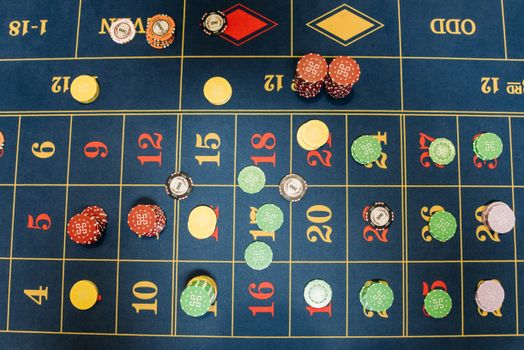
Every bet, spin, or deal is logged on a public ledger, accessible to all participants. Players can independently verify that outcomes are random and fair, thanks to "provably fair" algorithms. For example, a blockchain-based roulette game will publish the random seed used to generate the winning number, allowing players to check that the result wasn't tampered with.
Furthermore, operators cannot retroactively change game results or transaction histories. This transparency has led to higher player confidence and loyalty. In a 2022 survey by Statista, 68% of online gamblers cited transparency as a primary reason for choosing blockchain-powered gambling sites.
Security and Anonymity: Two Pillars of Blockchain Gambling
Security breaches and data theft have plagued traditional online gambling platforms for years. In 2021, the gambling sector accounted for nearly 10% of all cybersecurity incidents targeting the entertainment industry, according to IBM’s X-Force Threat Intelligence Index.
Blockchain mitigates these risks through:
- Decentralization: No single point of failure; if one node is compromised, the rest of the network remains secure. - Encryption: Transactions and personal data are encrypted, making them unreadable to unauthorized parties. - Anonymity: Players can participate using digital wallets, often without revealing sensitive personal information.For users in countries where online gambling is restricted or stigmatized, blockchain offers a way to maintain privacy. Moreover, digital wallets and cryptocurrencies like Bitcoin and Ethereum enable instant deposits and withdrawals without the need for bank intermediaries.
Smart Contracts: Automating Fair Play and Instant Payouts
A major innovation brought by blockchain is the use of smart contracts—self-executing programs that run on the blockchain and automatically enforce rules and payouts. These contracts eliminate the need for manual intervention or trust in a third party.
Imagine a sports bet placed on a blockchain platform. Once the match concludes and results are available from a trusted data feed (called an oracle), the smart contract automatically resolves the bet and pays out winnings to the correct wallet, all within seconds. There’s no room for disputes or delays.
This automation also reduces operational costs for gambling operators, leading to lower house edges and better odds for players. In fact, DappRadar reported that over $2.5 billion in bets were processed by decentralized gambling applications (dApps) in 2022, with average payout times under two minutes.
Blockchain vs. Traditional Online Gambling: A Comparative View
To better understand blockchain’s impact, let’s compare key features of blockchain-based gambling with traditional online gambling platforms:
| Feature | Blockchain Gambling | Traditional Online Gambling |
|---|---|---|
| Transparency | All transactions and outcomes are public and verifiable | Opaque systems; players must trust the operator’s data |
| Security | Decentralized, encrypted, resistant to hacking | Centralized servers, frequent targets for breaches |
| Payout Speed | Instant or near-instant via smart contracts | Often delayed, subject to manual approval |
| Fairness | Provably fair algorithms, open-source code | Proprietary algorithms, potential for manipulation |
| Privacy | Anonymous play via digital wallets | Personal info required for registration and withdrawals |
| Regulation | Emerging, varies by jurisdiction | Strict and established in most regions |
As the table shows, blockchain addresses many of the weaknesses inherent in traditional online gambling, making it an attractive alternative for both players and new operators.
Real-World Examples: Blockchain Casinos and Betting Platforms
Several innovative platforms have already leveraged blockchain to disrupt the online gambling space. Here are a few notable examples:
- $1: Launched in 2014, Bitcasino.io was one of the world’s first licensed Bitcoin casinos. It offers thousands of games, instant withdrawals, and provably fair certification for all titles. - $1: FunFair uses Ethereum-based smart contracts to power a suite of casino games, allowing players to verify every roll, spin, and deal. Their “Fate Channels” tech reduces blockchain transaction costs, making gameplay fast and affordable. - $1: Edgeless is a decentralized casino with a 0% house edge on certain games, made possible by transparent smart contracts and blockchain auditing. - $1: This decentralized sports betting platform lets users place bets directly on the blockchain, with results and payouts handled by smart contracts. Wagerr’s native token (WGR) facilitates all transactions.Across these platforms, common themes emerge: open-source code, public audits, provably fair games, and rapid, borderless payouts.
Regulatory Challenges and the Road Ahead for Blockchain Gambling
Despite its advantages, blockchain gambling faces significant regulatory hurdles. Most jurisdictions have not yet tailored gambling laws to accommodate decentralized and anonymous platforms. The lack of clear guidelines means that some blockchain casinos operate in legal gray areas.
For example, the UK Gambling Commission and Malta Gaming Authority—two of the industry’s most respected regulators—have begun issuing licenses to select blockchain gambling operators, provided they comply with anti-money laundering (AML) and know-your-customer (KYC) requirements. However, full adoption remains limited.
Additionally, volatility in cryptocurrency markets can pose challenges for players and operators alike. The value of a jackpot won in Bitcoin may fluctuate significantly before it’s withdrawn, adding an element of risk not present with traditional fiat currencies.
Yet despite these challenges, the momentum is undeniable. According to DappRadar, the number of daily active users on blockchain gambling platforms tripled between 2020 and 2023. As regulators catch up and more mainstream operators experiment with blockchain solutions, it’s likely that adoption will continue to accelerate.
Final Thoughts: Blockchain’s Transformative Impact on Online Gambling
Blockchain technology is fundamentally reshaping the online gambling landscape. By delivering transparency, security, fairness, and efficiency, blockchain addresses many long-standing pain points for both players and operators. With billions of dollars already flowing through decentralized platforms and mainstream casinos beginning to experiment with blockchain integration, the future of blockchain in online gambling looks promising.
However, challenges around regulation, user education, and cryptocurrency volatility must be addressed for the technology to reach its full potential. As innovation continues, one thing is clear: blockchain is set to play a defining role in the next chapter of online gambling.