The Future of Online Gambling: Predictions and Trends
Online gambling has evolved from a niche digital activity into a booming global industry. By 2023, the global online gambling market was valued at over $92 billion, with projections suggesting it could surpass $150 billion by 2030. This meteoric rise is driven not only by technological advancements but also by shifting player expectations, changing regulations, and the relentless pace of innovation. But what does the future hold for online gambling? Let’s explore predictions and emerging trends that are set to redefine the landscape over the next decade.
Emergence of Immersive Experiences: AR and VR Take Center Stage
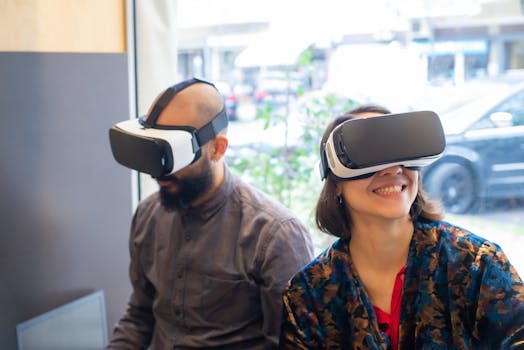
The days of flat, two-dimensional casino interfaces are numbered. Augmented Reality (AR) and Virtual Reality (VR) are poised to revolutionize online gambling by creating deeply immersive environments. According to a 2022 study by Statista, the global AR/VR gambling market could reach $1.8 billion by 2025.
Imagine stepping into a virtual casino, complete with interactive slot machines and lifelike card tables, all from the comfort of your home. This is not science fiction—major operators are already beta-testing VR poker rooms and AR-powered sports betting lounges. For example, PokerStars launched its VR poker room in 2019, allowing players to use gestures, chat with others, and even throw virtual objects for fun.
.png)
Key benefits of AR/VR in online gambling:
- Enhanced realism and social interaction - Personalized gaming environments - New revenue streams through virtual goods and in-game assetsAs VR headsets become more affordable—Meta’s Quest 2 headset dropped below $300 in 2023—expect rapid adoption among younger, tech-savvy gamblers.
Cryptocurrency and Blockchain: Redefining Security and Transparency
Blockchain technology and cryptocurrencies are reshaping the financial backbone of online gambling. By 2023, over 60% of the world’s top online gambling platforms accepted at least one form of cryptocurrency, such as Bitcoin, Ethereum, or Litecoin.
The appeal is clear: blockchain offers unparalleled transparency, with every transaction logged immutably. Smart contracts can automate payouts, reducing disputes, while decentralized ledgers prevent tampering and fraud.
Consider the benefits:
- Faster, cheaper transactions: Crypto payments often settle in minutes, compared to days for traditional banking. - Enhanced privacy: Players can gamble anonymously, without sharing bank or credit card details. - Provably fair gaming: Blockchain can make game algorithms transparent, so players can verify outcomes independently.Table: Traditional Payments vs. Cryptocurrency in Online Gambling
| Feature | Traditional Payments | Cryptocurrency |
|---|---|---|
| Transaction Speed | 1-5 days | Minutes |
| Fees | 2-5% | 0-1% |
| Transparency | Low | High (blockchain ledger) |
| Player Anonymity | Limited | Strong |
| Chargeback Risk | Present | None |
The future will likely see more platforms launching native tokens, integrating decentralized finance (DeFi) elements, and even hosting blockchain-exclusive tournaments.
Artificial Intelligence: Personalization, Security, and Game Integrity
Artificial Intelligence (AI) is becoming the quiet force powering much of the online gambling experience. From personalized recommendations to advanced fraud detection, AI is driving both player satisfaction and operational efficiency.
According to a 2023 report by Market Research Future, the AI in gambling market is projected to grow at a CAGR of 18.2% through 2030. Here’s how AI is shaping the future:
- Personalized gaming: AI analyzes player behavior to recommend games, bonuses, and promotions tailored to individual preferences. - Responsible gambling: Algorithms detect risky patterns and can intervene with warnings or self-exclusion options, potentially reducing problem gambling rates. - Enhanced security: AI-powered systems identify suspicious transactions or bot activity, protecting both players and operators. - Game fairness: AI tools continuously monitor games for anomalies, ensuring outcomes remain random and unbiased.A practical example is the use of AI chatbots for customer support. These bots handle 70% of routine queries, freeing up human staff for more complex issues and providing 24/7 assistance.
Regulatory Evolution: Globalization Meets Localization
The regulatory landscape of online gambling is in constant flux. While the internet knows no borders, gambling laws remain stubbornly local. However, a trend toward harmonization is emerging.
By 2024, over 80 countries had enacted dedicated online gambling regulations, up from just 50 in 2014. The European Union and the United Kingdom continue to lead with robust frameworks, while the United States is seeing a patchwork of state-level legalization—36 states now allow some form of legal online betting.
Key regulatory predictions:
- Increased player protection: Expect more mandatory identity checks, self-exclusion tools, and responsible gambling measures. - Taxation and licensing: Governments will seek to capture and regulate more revenue, driving up licensing costs and compliance requirements. - Cross-border collaboration: Initiatives like the European Gaming and Betting Association (EGBA) are encouraging shared standards and enforcement.This balancing act—between fostering innovation and safeguarding consumers—will define the next decade of online gambling.
Social and Skill-Based Gaming: Blurring the Lines
Today’s players crave more than just spinning reels or random chance. The future will see a surge in social and skill-based gambling, blending elements of video gaming, esports, and community.
In 2022, social casino games generated over $6.2 billion in revenue worldwide, according to Eilers & Krejcik Gaming. These games, often free-to-play with in-app purchases, attract younger demographics and keep players engaged through social features like leaderboards, tournaments, and avatar customization.
Skill-based games—think poker, fantasy sports, and esports betting—are also gaining traction. These appeal to players who want to influence outcomes, not just rely on luck. Some online casinos are experimenting with hybrid games that combine chance and skill, creating new categories that appeal to both gamblers and gamers.
Examples of emerging formats:
- Multiplayer slots with team-based objectives - Competitive blackjack tournaments - Gamified sports betting apps with fantasy elementsAs these formats grow, expect regulatory debates over what constitutes gambling versus skill gaming.
Mobile-First Design and Wearable Gambling: Always Within Reach
Mobile gambling already dominates the market, accounting for more than 60% of global online gaming revenue in 2023. The future, however, will be even more mobile-centric, with platforms optimized not just for smartphones and tablets, but also for wearables like smartwatches and AR glasses.
Emerging trends include:
- Instant play: No-download, browser-based games that launch in seconds. - Micro-betting: Placing small, rapid bets on live sports events, perfectly suited for mobile notifications. - Push notifications and geo-fencing: Sending personalized offers or location-based bonuses when a user enters a specific area.According to Juniper Research, bets placed via smartwatches are expected to grow by 400% between 2023 and 2027, as wearable adoption spreads and interfaces improve.
Looking Ahead: What Will Define Online Gambling’s Next Era?
The future of online gambling will be shaped by a convergence of technology, regulation, and shifting player expectations. As AR/VR, blockchain, and AI mature, they will unlock new forms of engagement, security, and personalization. Meanwhile, regulators will walk a fine line, striving to encourage innovation while protecting consumers.
We’ll see new game formats that blur the lines between gambling and gaming, a surge in mobile and wearable play, and a continued expansion into new markets. For players, this means more choices, safer experiences, and the thrill of never knowing what’s next.
The industry’s winners will be those who can adapt quickly—balancing cutting-edge tech with ethical play and robust compliance. As online gambling races into the future, one thing is certain: the game is just getting started.