Online gambling and video gaming have traditionally been seen as two distinct forms of entertainment. However, in the past decade, these industries have started to overlap in unexpected and profound ways. The rapid expansion of online gambling has not only introduced new revenue streams and business models but has also begun to reshape the landscape, design, and culture of the video gaming world. In this article, we’ll explore how online gambling is influencing the video gaming industry, examining the trends, technologies, and regulatory challenges that have emerged as these worlds intersect.
The Convergence of Gambling and Gaming: Understanding the Overlap
Once upon a time, gambling and gaming occupied separate spheres: casinos for adults and arcades or consoles for kids and teens. That distinction is increasingly blurred. According to a 2022 report by the UK Gambling Commission, nearly 39% of online gamers aged 18-34 had engaged with gambling-like features in video games, such as loot boxes or skin betting.
The convergence is visible in several ways:
- $1 These randomized reward systems, purchasable with real money, mirror slot machines in design and psychology. - $1 Online platforms now accept bets on competitive video game matches, mirroring traditional sports betting. - $1 Video games that simulate casino experiences (slots, poker) allow players to spend real money on tokens, though often without cash payouts. - $1 Some games allow players to bet on outcomes with virtual or even real-world stakes.These trends are not just speculative. In 2021, the global market for loot boxes alone exceeded $15 billion, according to Juniper Research. The line between “playing for fun” and “playing for stakes” is increasingly hard to draw.
.png)
How Gambling Mechanics are Shaping Game Design
The influence of gambling on game design is perhaps most evident in the proliferation of chance-based mechanics. Loot boxes, gacha systems, and randomized drops have become standard features in popular titles like FIFA, Overwatch, and Genshin Impact.
- $1 Game developers are adopting microtransactions that resemble gambling: players pay small amounts for a chance to unlock rare items. According to a 2023 study by Statista, 78% of the top-grossing mobile games now feature randomized rewards. - $1 The anticipation, suspense, and potential for big “wins” drive player engagement. These are the same psychological hooks used in slot machines and roulette. - $1 Games incorporate daily rewards, streak bonuses, and “near-misses,” all borrowed from casino playbooks, to keep users returning.But this isn’t without controversy. Regulatory bodies in Belgium, the Netherlands, and some US states have classified certain loot box systems as a form of gambling, leading to bans or legal challenges.
Economic Impact: Revenue Streams and Market Growth
The financial stakes for both industries are enormous. The global gaming market was valued at approximately $184 billion in 2023 (Newzoo), while the online gambling market reached $95 billion the same year (Statista). As these markets overlap, opportunities for revenue growth multiply.
| Feature | Video Gaming | Online Gambling | Overlap Example |
|---|---|---|---|
| Revenue Model | Game sales, Microtransactions | Betting, Casino Games | Loot Boxes, Skin Betting |
| User Demographic | Teens to Adults | Adults (18+) | Esports Betting (18+), Social Casino Games (all ages) |
| Market Size (2023) | $184 Billion | $95 Billion | Loot Boxes: $15 Billion |
| Regulatory Oversight | Entertainment/Consumer Protection | Gambling Commissions | Increasing regulation of in-game gambling |
The integration of gambling mechanics into video games has created new monetization options. For example, Electronic Arts (EA) generated over $1.62 billion in revenue from “Ultimate Team” modes in FIFA and Madden NFL in 2022, much of it from loot boxes and player packs.
Additionally, esports betting is forecasted to exceed $20 billion in wagers by 2025 (Eilers & Krejcik Gaming), as millions of fans place bets on competitive gaming tournaments.
Tech Innovations: From Blockchain to Live Streaming
Technology acts as a bridge between gambling and gaming, enabling new experiences and business models.
- $1 Blockchain technology has given rise to “play-to-earn” games, where players can wager or win cryptocurrency and NFTs. Games like Axie Infinity blend video game mechanics with real-money stakes, blurring traditional boundaries. - $1 Platforms such as Twitch now feature popular “casino streamer” channels, where viewers watch influencers play slots or poker with real money, often sponsored by online casinos. In 2022, the top gambling streamers on Twitch amassed more than 280 million hours watched. - $1 New platforms are emerging that allow players to wager on their own performance in games like Fortnite or Call of Duty, combining gaming skill with gambling stakes.These innovations are not only changing how people play and watch games, but they’re also creating new regulatory headaches, as authorities race to understand and control these hybrid products.
Cultural and Social Impacts: Changing Attitudes and Risks
The cross-pollination of gambling and gaming is reshaping cultural attitudes, especially among younger audiences.
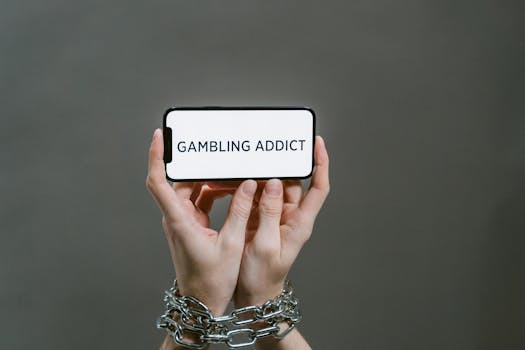
- $1 Gambling-like mechanics in games are making wagering feel like a normal part of entertainment, even for teens and children. A 2020 study in the journal “Addiction” found that young people exposed to loot boxes were twice as likely to gamble later in life. - $1 Increased exposure to gambling mechanics in games has been linked to higher rates of problem gambling. The UK received 55,000 calls to its National Gambling Helpline in 2022, with a rising share from people under 25 citing gaming-related triggers. - $1 Gaming influencers and streamers often promote gambling sites, sometimes blurring sponsorship disclosures. This can sway impressionable audiences and normalize high-stakes gambling as aspirational.At the same time, the blending of these cultures is creating new communities and opportunities for social interaction, as fans gather around shared interests in both gaming and gambling.
Regulation and the Future: Navigating a Blurred Landscape
As the boundaries between online gambling and video gaming erode, regulators are taking notice. The European Union, the United States, Australia, and several Asian countries are debating how to classify and control these hybrid products.
- $1 Belgium and the Netherlands have already banned certain loot box mechanics, classifying them as illegal gambling. The UK and Australia are considering similar moves. - $1 Stricter age verification and parental controls are being proposed to limit minors’ exposure to gambling-like features in games. - $1 Some jurisdictions now require games to disclose loot box odds, providing players with information on their chances of winning rare items.Game developers and gambling operators face mounting pressure to adapt. Companies that fail to comply with emerging regulations risk fines, bans, and reputational damage. At the same time, innovation continues, as new technologies and business models emerge faster than the laws can keep up.
What’s Next? The Lasting Impact of Online Gambling on Video Gaming
The influence of online gambling on the video gaming industry is profound and far-reaching. From monetization strategies and game design to technology and culture, the integration of gambling elements is reshaping how we play, watch, and think about games.
While this convergence brings new opportunities for engagement and revenue, it also raises important questions about player protection, ethics, and the long-term effects on vulnerable populations. As regulatory battles play out and technologies evolve, the relationship between gambling and gaming will continue to be one of the most dynamic — and controversial — frontiers in digital entertainment.