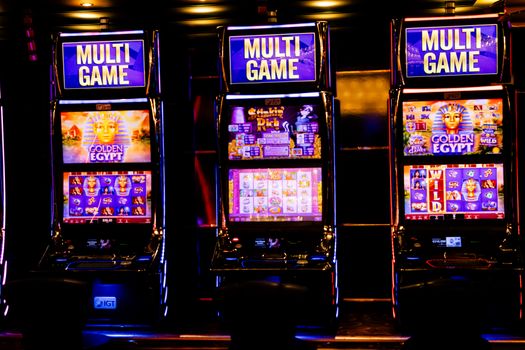
Online gambling has witnessed explosive growth over the past decade, offering unprecedented convenience and entertainment to millions of users globally. In 2023 alone, the global online gambling market was valued at over $92 billion, with projections to reach $153 billion by 2030. However, as more people engage in digital wagering, concerns about user safety and responsible play are rising to the forefront of industry discussions. This critical review examines the essential safety measures in online gambling, analyzing their effectiveness, regulation, and the evolving landscape of player protection.
The Rising Importance of Safety in Online Gambling
The popularity of online gambling platforms stems from their accessibility, variety, and the allure of potentially high rewards. According to the UK Gambling Commission, over 40% of UK adults participated in some form of online gambling in 2022. However, with the rise in participation comes a corresponding increase in risks such as fraud, underage gambling, addiction, and data breaches.
Safety measures are not just a regulatory requirement; they are vital for maintaining trust and integrity within the industry. A 2021 survey by Statista found that 63% of players cited website security as their top concern when choosing an online gambling platform. This underscores the need for robust protective mechanisms to assure users that their money, data, and well-being are safeguarded.
.png)
Key Regulatory Frameworks and Their Effectiveness
One of the primary defenses against unsafe gambling environments is industry regulation. Different regions have implemented varying frameworks designed to ensure fair play, prevent crime, and protect vulnerable users. For example, the Malta Gaming Authority (MGA) and the UK Gambling Commission (UKGC) are recognized for their stringent licensing and operational standards.
The effectiveness of these frameworks depends on several factors:
- $1: Operators are required to verify player identities, ensure fair games, and implement anti-money laundering (AML) protocols. - $1: Licensed operators undergo routine inspections to confirm compliance with technical and ethical standards. - $1: Regulatory bodies often provide independent dispute resolution services for players.However, not all jurisdictions are equally strict. Some regions, often referred to as "grey markets," have minimal oversight, creating loopholes for unscrupulous operators. According to a 2022 report by Transparency International, countries with robust regulatory oversight reported 50% fewer gambling-related fraud cases than those with lax controls.
Below is a comparison of regulatory approaches in leading online gambling markets:
| Jurisdiction | Licensing Body | Key Safety Requirements | Fraud Incidence Rate (2022) |
|---|---|---|---|
| United Kingdom | UK Gambling Commission | ID verification, AML checks, responsible gambling tools | 1.3% |
| Malta | Malta Gaming Authority | Player fund separation, game fairness audits | 1.7% |
| Curacao | Curacao eGaming | Basic licensing, minimal enforcement | 4.9% |
Technological Safeguards: Encryption, Authentication, and Data Protection
As cyber threats become increasingly sophisticated, so too must the technology that protects online gamblers. Leading platforms employ multiple layers of security to protect user data and financial transactions.
- $1: Secure Socket Layer (SSL) encryption is now an industry standard, ensuring that all data transmitted between the user and the platform is unreadable to third parties. A 2023 survey by Norton found that 94% of top-rated gambling sites use 256-bit SSL encryption. - $1: Many reputable sites offer 2FA, requiring users to provide a second form of identification (such as a text message code) before accessing their accounts. This drastically reduces the risk of unauthorized access. - $1: Compliance with regulations like the General Data Protection Regulation (GDPR) ensures that user data is handled responsibly, with clear opt-in and opt-out provisions.Despite these advances, data breaches remain a concern. In 2021, a prominent European gambling operator experienced a breach that exposed the personal information of over 100,000 users, highlighting the need for continuous vigilance and investment in security infrastructure.
Player Protection Tools and Responsible Gambling Features
Responsible gambling is a cornerstone of user safety, with an increasing number of operators integrating tools to help players stay in control. These features are especially important as the World Health Organization recognizes gambling addiction as a medical disorder.
Key responsible gambling tools include:
- $1: Users can set daily, weekly, or monthly financial limits to prevent overspending. - $1: Players can voluntarily ban themselves from gambling for a set period or permanently. In 2022, over 340,000 people registered with the UK’s GamStop self-exclusion scheme. - $1: Automated reminders inform players of their gambling duration, encouraging regular breaks. - $1: Links to support organizations, such as GamCare or the National Council on Problem Gambling, are prominently displayed.A 2022 study published in the Journal of Gambling Studies found that players who used self-exclusion tools were 60% less likely to develop problem gambling habits over a 12-month period.
Payment Security and Financial Transparency
Safeguarding players’ funds is just as critical as protecting their personal data. Unreliable payment processing can result in lost deposits or delayed payouts, which erodes trust and can even lead to financial hardship for players.
Key safety measures in payment processing include:
- $1: Leading operators keep player funds separate from operational accounts, ensuring that user balances are protected even if the company faces financial difficulties. - $1: Only reputable, secure payment providers (such as Visa, Mastercard, PayPal, and regulated e-wallets) are permitted. - $1: All charges and withdrawal timelines must be clearly stated. For instance, the average withdrawal time for top-tier platforms is 24-48 hours, with no hidden fees.In a 2023 survey by the American Gaming Association, 72% of online gamblers stated that fast and secure payments were a deciding factor in their choice of platform.
Emerging Challenges: Cryptocurrency, AI, and Globalization
The online gambling landscape is rapidly evolving, introducing new safety challenges alongside technological innovation. Cryptocurrencies, for instance, offer anonymity and fast transactions, but also present risks related to money laundering and lack of regulation. A 2022 Chainalysis report found that over $2.8 billion in illicit funds moved through crypto gambling platforms worldwide.
Artificial intelligence (AI) is also changing the game. On the positive side, AI-powered systems can detect suspicious betting patterns and potential problem gambling behaviors faster than manual monitoring. On the downside, AI-driven bots can exploit vulnerabilities or collude in games, undermining fairness.
Globalization adds another layer of complexity, as cross-border operators must navigate a patchwork of regulations and user expectations. This makes international cooperation and harmonization of safety standards increasingly important.
Final Thoughts on Safety Measures in Online Gambling
Online gambling will continue to grow, attracting new players and pioneers in technology. As this happens, the importance of robust safety measures cannot be overstated. From strict regulatory oversight and advanced technological safeguards to responsible gambling tools and transparent financial practices, these protections are essential for creating a secure and trustworthy digital gambling environment.
Yet, the battle for safety is ongoing. With emerging technologies, sophisticated cyber threats, and shifting global regulations, operators must remain proactive and adaptive. For players, understanding and utilizing these safety features is critical to enjoying online gambling as a safe and responsible form of entertainment.